


 info@luxorlocalguide.com
 +20122-176-9255

Overday in Asswan from Marsa alam
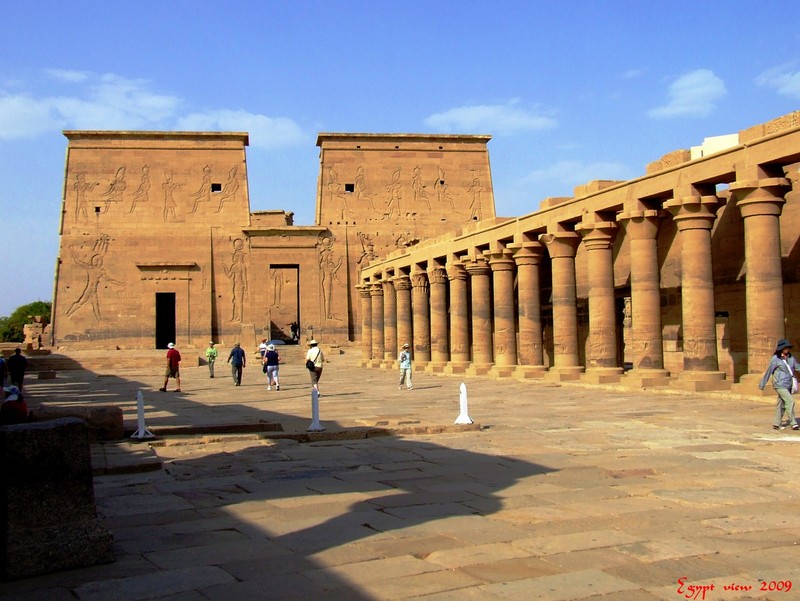
- We Leave Marsa Alam by car at 5am and arrive in Aswan before 9am.Starting with Philae temple then the high dam ,lunch ,feluca ride to go to botanic garden.
- Guide (Egyptologist).
- Guide ( egyptologist )to explain the sites,Philae temple,High dam,feluca ride.
Philae temple
Philae Island was a rocky island in the middle of the River Nile, south of Aswan . It was called in Hieroglyphic “Apo” which means Ivory. It was also known by the Greek “Elephantine”, most probably because it was an important centre of trade, especially for ivory. The Ancient Egyptians built a beautiful and magnificent Temple on this island for the Goddess Isis, but the Temple became submerged after the first Aswan dam was built in 1906, and it was not until the seventies that many nations attempted to save the Temple. All these countries, together with UNESCO, selected a suitable place, but they had to wait until the completion of the High Dam, in 1971, which would stabilize the level of the water around their chosen island. The new island was calledEgilica (also calledAgilika), and it was completely reshaped to imitate Philae Island as closely as possible. Firstly, a coffer dam was built around the Temple and the water was drained. Next, the Temple was dismantled and transferred, stone by stone, from the submerged Philea Island to the redesigned Egilica Island. Each and every stone had to be numbered, and then replaced, in the same position, in the new location. It was a massive, and very complicated, project taking over 9 years to be accomplished. The Temple of Philae was reopened in 1980!
High dam
The High Dam of Aswan is one of the most important achievements of the in the last century in Egypt, even for many years it was a symbol of the New Era of the Revolution of 1952. It provided Egypt with water and electricity and secured the country of the risk of the destructive inundation. Aswan High Dam was a great project! In fact it was one of the most important achievements of the last century in Egypt, for many years symbolising the New Era after 1952. Today It provides Egypt with water and electricity, and secures the country from the risk of the
destructive inundation of the River Nile
 After the revolution of July 1952, President Nasser announced his proposal for building the High Dam, but was met with Western refusals to co-operate, so he turned to the Soviet Union for both technological and financial aid. The result was the present rock-filled structure. The work began on the 9th January 1960 and the completed dam was opened in the spring of 1971. This gigantic building is 111m tall, 3.5Km in length and about 1Km wide! It has a Hydro-electric plant, with 6 turbines, capable of producing 2.1 million kilowatts. As a result of its construction, a great lake was formed, Lake Nasser, which is about 10 km wide in some places, and 500km long. extending between Egypt and The Sudan – the worlds largest man-made lake! This lake also has an immense fish population, which is commercially exploited. Because raising the water caused the damage, and loss, of so many of the Nubian monuments, great efforts were made by the Egyptian Government, aided by UNESCO and other countries, to save the most important monuments of Nubia.
Botanical garden(Kicher’s island)
Among the famous visits in Aswan is to see the botanical gardens of Aswan , you can sail in a local felucca boat or take a motor boat to the eastern bank of the Nile to reach this island. where this botanical island is located opposite the city of Aswan and the elephantine island.
 Other names of the island is Kitchener island because in 1899 lord Kitchener during his military campaigns in the Sudan made the island his head-quarter for his army, it was then known as the lords house. Soon after the lord left the island it was given back to the ministry of irrigation and was then known as the kings island. Ever since 1928 and the ministry of irrigation has transferred the island into natural part full of trees from the 5 continents.


