Walking with Pharaohs: Exploring Egypt’s Iconic Monument
info@luxorlocalguide.com
June 23, 2026
Share
Facebook
Twitter
LinkedIn
Pinterest
The Great Pyramids of Giza: Eternal Symbols of Power
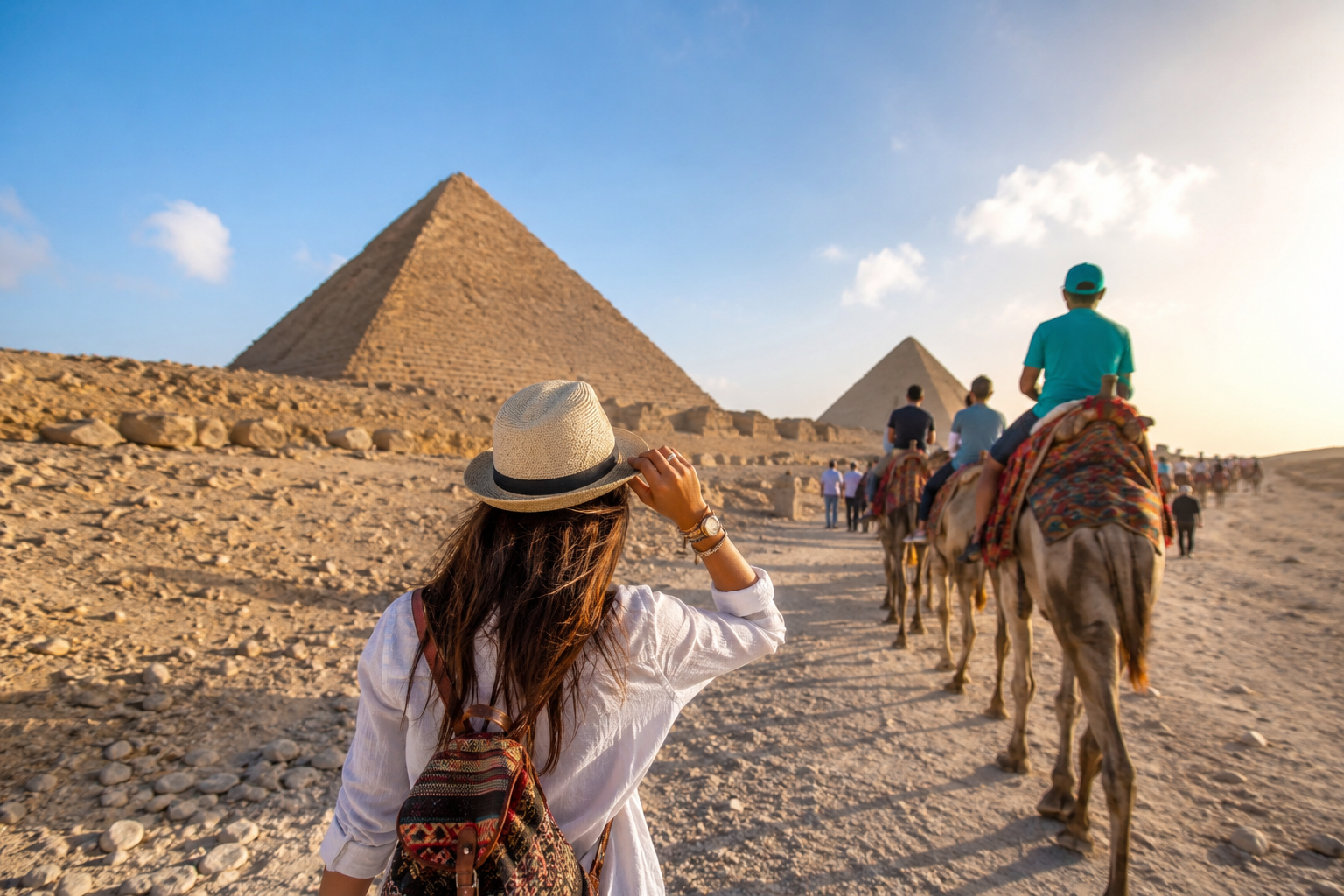
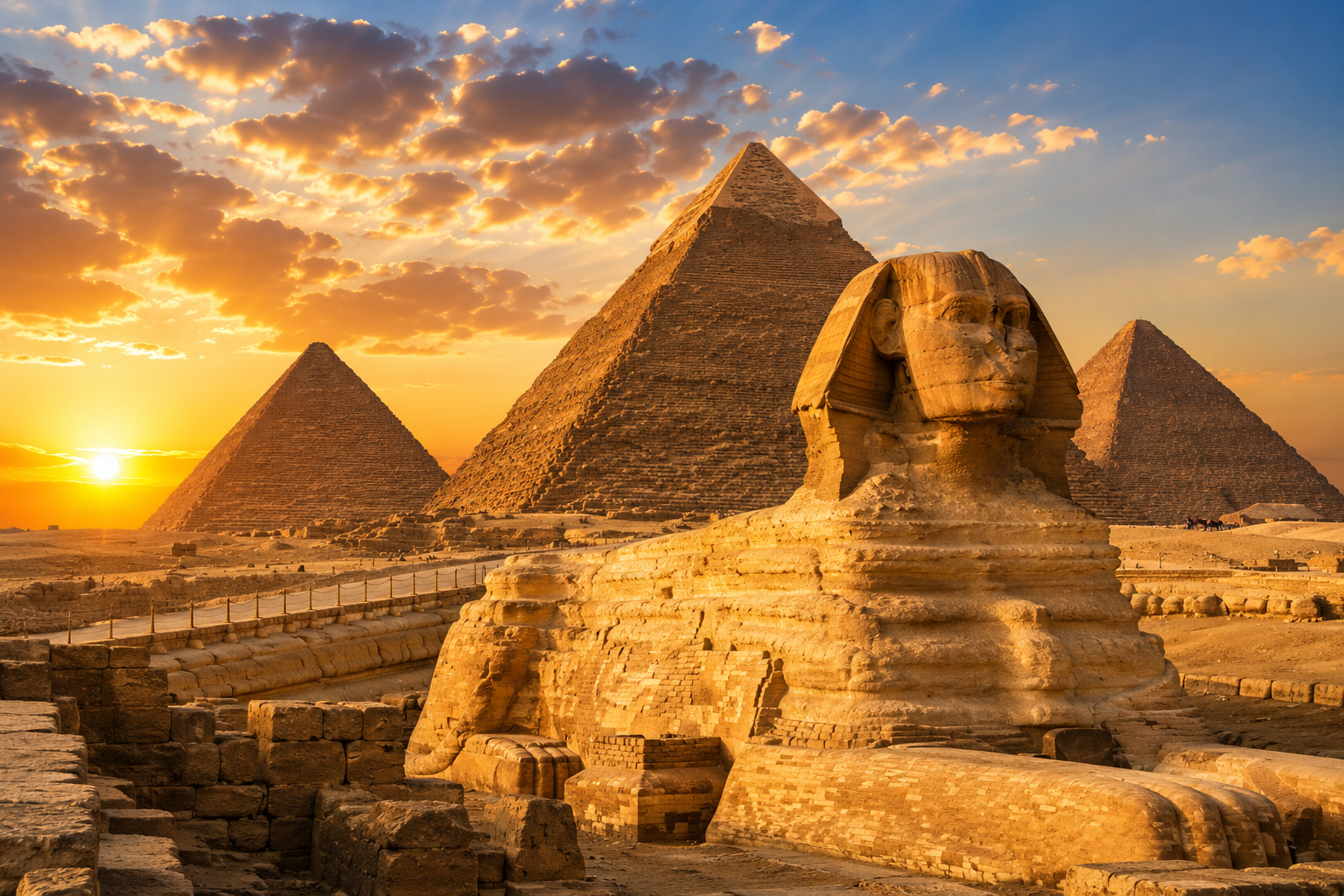
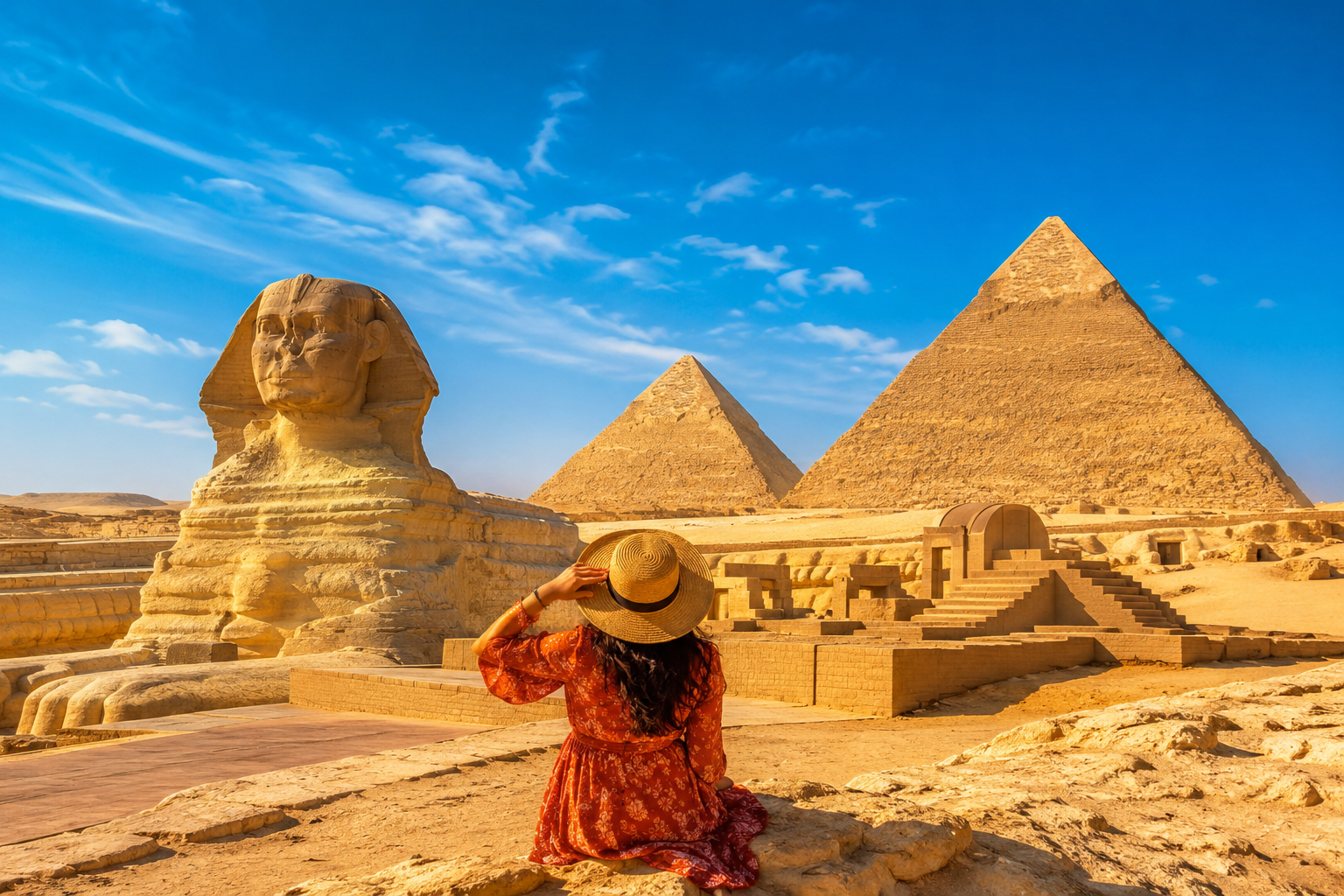
The Giza Plateau remains the ultimate symbol of ancient civilization. The pyramids were built as royal tombs, carefully aligned with celestial bodies and constructed with astonishing precision.
Standing beside the Great Pyramid of Khufu and the enigmatic Great Sphinx, visitors experience the scale of ancient ambition firsthand—structures that have survived for over 4,500 years.
Luxor: The City of a Thousand Wonders
At Luxor, history surrounds you on every side. The East Bank is dominated by the monumental Karnak Temple Complex and Luxor Temple, both glowing beautifully at sunset and night.
Across the Nile, the West Bank reveals the Valley of the Kings, where pharaohs were laid to rest in richly decorated tombs filled with hieroglyphic stories of the afterlife.
Abu Simbel: The Temple of Ramses II
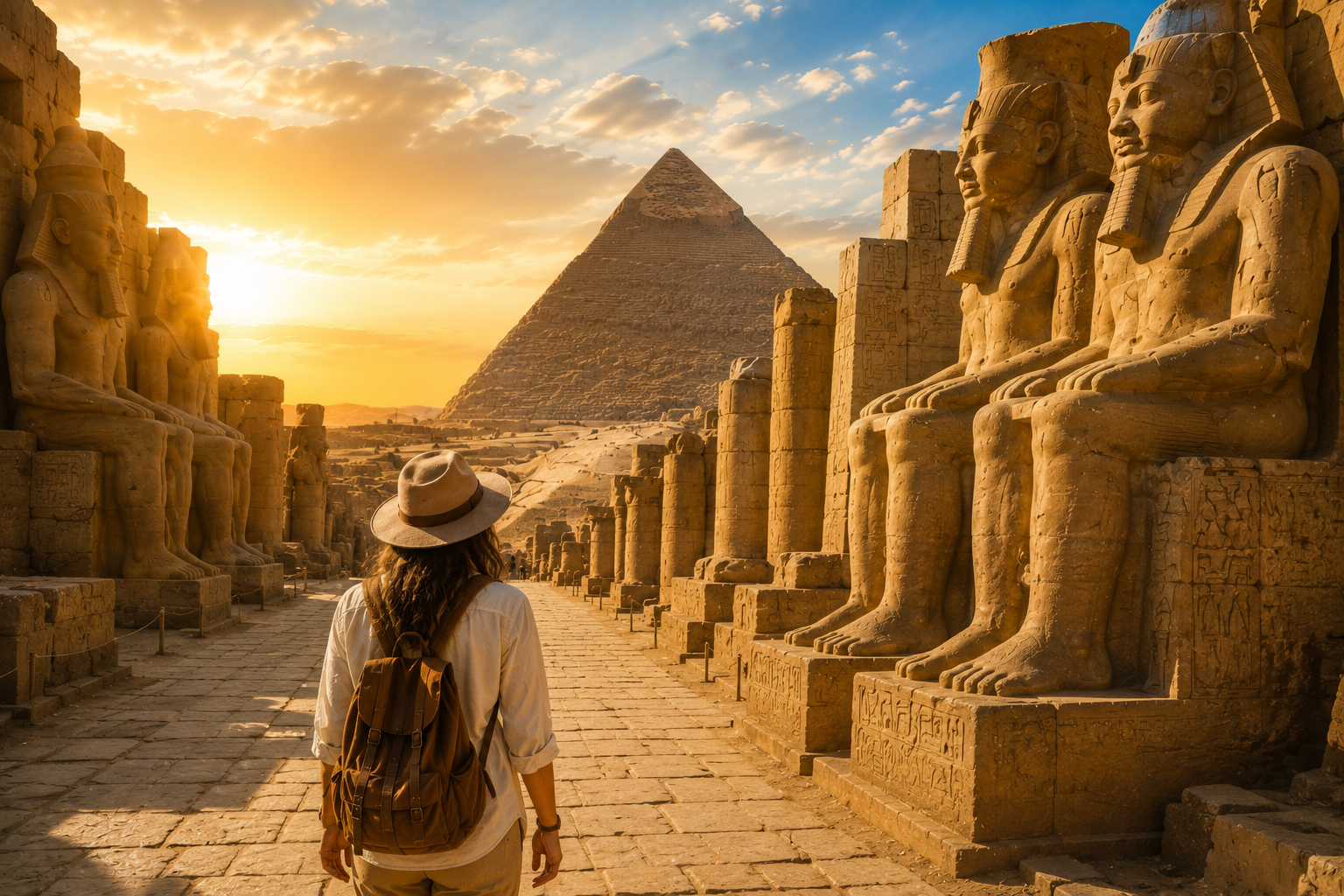
Carved directly into a mountainside in southern Egypt, Abu Simbel is one of the most dramatic monuments of the ancient world. The massive seated statues of Ramses II guard the entrance, showcasing the pharaoh’s divine authority and military victories.
The temple is also famous for its solar alignment, where sunlight illuminates inner sanctuaries on specific days of the year.
Philae Temple: The Island Sanctuary
Located near Aswan, Philae Temple is dedicated to the goddess Isis and is one of the most picturesque archaeological sites in Egypt. Surrounded by the Nile, the temple complex was carefully relocated to Agilkia Island to save it from flooding.
Its elegant columns and reliefs reflect the spiritual devotion of ancient Egyptian civilization.
Saqqara and Memphis: The Origins of Monumental Architecture
At Saqqara, the Step Pyramid of Djoser marks the beginning of pyramid evolution. Nearby Memphis, once the capital of ancient Egypt, reveals ruins that highlight the political and cultural foundation of the kingdom.
Together, they represent the earliest chapters of monumental architecture in human history.

 info@luxorlocalguide.com
June 23, 2026
info@luxorlocalguide.com
June 23, 2026